Showing posts with label Heinz. Show all posts

Monday, 22 August 2022

IT SERVES US RIGHT

 It Serves Us Right

Two things on my agenda are productivity and customer service. Often the two are linked. The quicker a purchasing transaction happens the greater the productivity but speed carries a cost. And that’s the absence of taking time to cement a relationship. 

hurry up and don't waste time Poster | adnan | Keep Calm-o-Matic

A friend of mine briefly worked at the call centre for a global brand of amongst other things baby products. She was berated for taking too long talking to customers and, when she thought necessary, cheering them up (“that’s not necessary.” She was told). The most successful people in that call centre (by their standards) were foreign with limited, transactional vocabulary. Productivity trumped building a meaningful brand relationship.

We’re building business models in which increasing short- term profit is more important than investing in building trusted brands with whom customers can have a conversation. So it serves us right.

Companies don't give job security. Only satisfied customers do.

Whilst Jack Welch, one-time, legendary CEO of General Electric, said technology would eventually replace the need for people to be involved in a purchasing transaction, he still fervently believed in consumer satisfaction. Figure that one!

Recently I bought my wife some cosmetics but the delivery address the “system” picked up was a previous one we’d lived at 7 years ago. Try as I might there was no mechanism to phone and say “I goofed, please put it right”. Try as I might there was nothing in the list of pre-selected issues that corresponded with “I’m an idiot. I chose the wrong address” option. And so cheerful emails thudded in saying “we’re delivering to…WRONG ADDRESS… in 48 hours.” I solved it eventually. But I’d wanted a human being saying cheerfully “Don’t worry. Could happen to anyone. There. All sorted.”  What actually  happened was a standoff between human frailty and faultless technology. Man versus Machine with man helplessly losing. 

Now this isn’t the futile lament of a senior about how much better things were before self-service and shopping online.  Because they weren’t. Despite the current “crisis” our world is better, richer in choice and cheaper than it was. We now have “Influencers” rather than “Brand Champions” – not an improvement in my view. But the one thing beginning to disappear is someone on the end of a phone who calmly helps you. 

Exception: NatWest have introduced a direct line for over-60s where you get through straightaway and the person who answers has time and the inclination to do whatever is required. 

NatWest - Maritime London

More exceptions: Serious Readers. Victoria Health. Richer Sounds. And Waitrose who once turned me from a gibbering wreck to a normal human being in seconds. Everyone tells me Apple is the best in quantity and quality of Customer service. A friend said they’d sorted out a tricky issue regarding the validity of insurance on an Apple product bought in Germany pre-Brexit with aplomb. 

So, yes, great personal, customer service exists but I fear the finance people often see it as  an expense they’d like to eliminate. Its shaky existence reflects many businesses’ attitude to brand building and customers.

JKR “celebrates simple greatness” with masterbrand refresh of Heinz -  Design Week

I recall a marketer at Heinz, that once-great company which marketing professionals adored, saying they thought of their consumers as two housewives having a cheerful conversation with each other over the garden fence. 

 It’s a romantic concept no doubt but you cannot build a brand that’s loved by technology alone.

Anyway I love romantic concepts but it takes two to tango and when I said “it serves us right” I was also thinking that the behaviour of many customers has deteriorated. We’ve got worse at saying thank you and smiling.

Try it. It’ll change the customer service that you get. 


Monday, 4 July 2022

LET'S STICK TO BASICS

 Let’s stick to basics

After endlessly talking about geopolitics with stand-offs between soft liberals and the extreme right, I’ve concluded we need to focus on what we know most about, calmly and thoughtfully. For me, this is mainly advertising, marketing and fmcg (fast-moving-consumer-goods).

Let’s ignore the increasing trend towards marches and protests so often bad tempered although a Gay Pride march down Oxford Street last week was cheerful with a diverse bunch representing various facets of sexuality having a good time.

Gay Pride NYC 2022: Events, Parades and Dates to Celebrate

It made a change because cheerful is not how the media is describing our economy . We are going to be very cold, very hungry and very depressed this winter they predict. 

We’re regularly told by pollsters that the ‘cost of living crisis’ is the most important issue on people’s minds, ahead of Party-gate, Ukraine, Climate Change and corrupt, drunk or libidinous  politicians. Of course it is. Did you need to go to University to acquire the mental equipment to discover that? 

Fact: issues really close to home are the ones that always matter most to people. The amount of money they have and what they can buy with it.

The UK's cost of living crisis is about to get a whole lot worse - Bywire  Blockchain News - The home of independent & alternative news


Government is panicking  as they often do. There’s talk of  an upcoming campaign calling on businesses to divert marketing spend into cutting prices.  Silly story. Daft idea. And one which shows how little this government understands marketing or people.

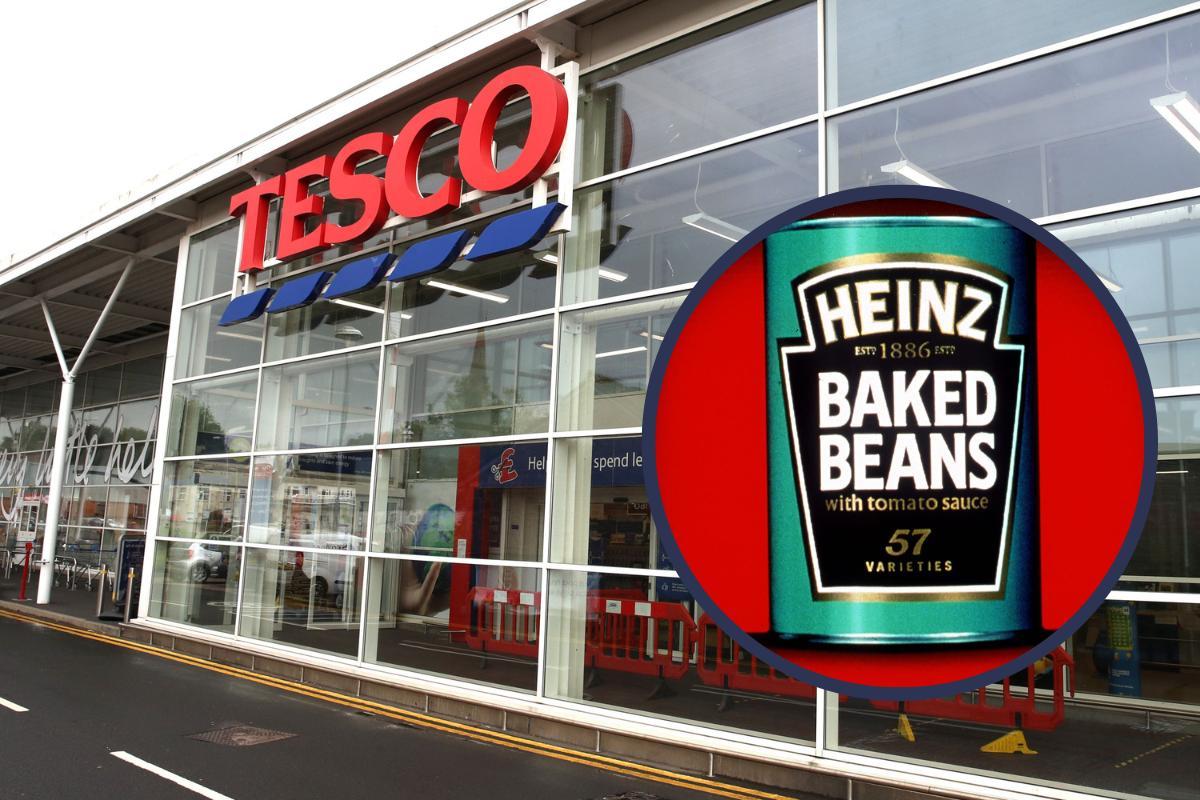
Here’s a real marketing story. There’s a battle currently between Tesco and Heinz. It’s being staged as a classic Mohammad Ali v George Foreman, “rumble in the jungle”, or, in this case “knock-out at the check-out.” Two giants. One supporting the poor people, the other the poor food industry. How many customers will Tesco lose if they don’t stock Heinz Baked Beans and Heinz Tomato Ketchup? How many cases of the above will Heinz lose in sales by being destocked by their biggest UK customer? This is high drama and a great story.  And I bet sales go up for both of them.

Popular Heinz products from Baked Beans to Ketchup missing from Tesco  shelves | Irvine Times

The price increase of food in the UK since January has gone up 11% (source: IGD) and Reuters are predicting 15% increase running into 2023. Apparently the average household spend on food including take-homes and restaurants is around £4,000 – around 20% of total spend.  

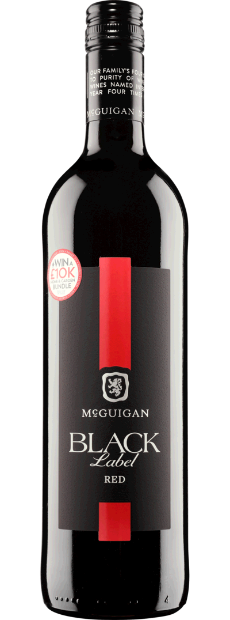
McGuigan Black Label Red 2020

I can empathise. I too was once in that hand-to-mouth, month-on-month world of balancing nice-to-have versus necessity. 

In that battle healthy eating was beaten by a full tummy. Chicken nuggets became luxury food and McGuigan tasted like Lafite (almost). What was different back then was the world was less intense in terms of competition, in terms of marketers pushing prices back down or finding clever alternatives. 

We now have Aldi and Lidl highly competitive and growing rapidly, taking £1 in every £6 grocery pounds spent, and about to take more. They’re no longer the mere “German discounters” as Tesco once disparagingly described them. Go there and be impressed by price and quality.

Aldi and Lidl step up battle with US grocers | Financial Times

Since one of the biggest issues right now is food  and our alleged inability to recruit able pickers. This smells of a PR campaign. There are plenty of people who’d be happy to work outside in our glorious weather if only we pay them enough.

We used to be creative. Let’s get creative about issues like this. Let’s find new sources of “pickers”, let’s create more delicious low-cost recipes and let’s stop getting depressed because we can’t always afford to buy what we don’t really like, want or even need.

Let’s go shopping again, being choosy as opposed to just buying and hurrying on. Let’s, in short, get back to basics.


Monday, 16 May 2022

I REMEMBER SOMETHING JUST LIKE THIS HAPPENED BEFORE

Anthony Seldon recently said we need historians in important positions in government to categorise, interpret and help us learn from what happened in the past. 

Anthony Seldon: why I changed my mind about Toby Young | Times Higher  Education (THE)

An executive steeped in the pharmaceutical industry said something similar to me about the absence of “corporate memory.” 

In both politics and in business, incoming regimes want to demolish their predecessor’s work and innovations. We live in a time of brooms zealously sweeping clean but losing lessons from which we might otherwise learn.

When I was in advertising we worked with Heinz. Their Tomato Ketchup is still without a challenger. 

Heinz | Tomato Ketchup

They were impressively demanding but also courteous in their demands;  the ideal client. They were heavy users of market research. 

In theory no one should have known more but as people retired or left, their library of research gathered dust and they started to forget what they’d known. One weekend we assembled a team to scour part of the library, summarising what was in it and what its key conclusions and insights were. We unearthed a treasure trove of material. I realised that sustaining a corporate memory required hard work. Also that the more valuable insights lay in either understanding why something had gone right or wrong or what over time were the unchanging values and attitudes .

In this, the Queen’s Platinum Anniversary, some of those intrinsic values, memories and recipes will be recreated, Coronation Chicken, Brown Windsor Soup (although to survive this will have to be radically  new and improved,) Meat Loaf, Prawn Cocktail, Chicken Kiev and winner of the recent Mary Berry inspired cookery competition for the Platinum Pudding , Jemma Melvin’s Lemon Swiss roll and amaretti trifle (we hear this tastes utterly amazing although it takes 5 hours to create from scratch). 

A picture containing cup, food, dessert

Description automatically generated


But we all need a party after the traumas of Covid and this year we’ll have ‘nostalgia-thon’ and a series of street parties celebrating home cooking and old fashioned neighbourly values.

Feast are fine but how do we retain those lost memories and build a better sense of our history? And remembering too that history is not just about dates and documents but also about feelings, beliefs and prejudices.

I had a conversation with a centenarian who speaks of the learning from the Treaty of Versailles which was more punitive, indeed was so overly restrictive on Germany that after the 1930’s economic crises, its consequences led to the Second World War. 

A picture containing old, outdoor, smoke, weapon

Description automatically generated

This was followed by a half century of global economic growth, globalisation of trade and some significant skirmishes or worse in Syria, Iraq, Libya, Sudan and  across borders from time to time. Overall though “peace in our times” seemed to have been achieved. Until Thursday 24th of February this year when Russia invaded Ukraine. 

She sighed and said how many more times in our history shall we say “that’s it. No more wars.”

Prisoners of Geography by Tim Marshall | Waterstones


If more people had read Tim Marshall 7 years ago when he wrote “Prisoners of Geography” they wouldn’t have been so surprised. “Putin has not finished with Ukraine yet” he said. And to understand Putin “this student of history” read this:

“..the map that Ivan the Terrible confronted is the same one Vladimir Putin is faced with today.”

Few expected Ukraine to be so courageously enterprising (like mounting an undercover attack on Quad Bikes) or Russia to be so ponderous and inept. But why not? Remember Vietnam, remember Afghanistan, remember David and Goliath.

Let’s hope we have politicians studying the Treaty of Versailles to understand what we must not re-enact after this “war” grinds to a halt.


Monday, 3 September 2018

A NEW AGE OF ENTERPRISE

I’m writing a new book about start-ups and before you ask two inevitable questions – why another book and what’s new to say anyway -  let me tell you how the research I’m doing has transformed my mood. I’ve talked to over 30 start-up people so far and only a few over sixty have displayed occasional discontent with the geopolitical disarray we are currently encountering. Nearly everyone is cheerful, optimistic and full of ideas. No one mentions Brexit.


There is a spirit of adventure in the air. The so called “snowflake generation” is conspicuously absent. The word on the entrepreneurial block is young people today are marvellously industrious. It occurs to me that this is because they’ve been largely selected from outside the dinosaur corporations that have historically demanded loyalty, punctuality and putting in the hours as the young people’s expected contribution to the employment contract.

We live in a new world where respect, freedom and inspiration are bywords.  A world where employer and employee alike want to make a difference, want to be relevant and want to grow themselves as well as the business. And yes it’s very tempting and easy to generalise and stereotype. The start up world of today is not romantic, nor is it cushy.  However the start-up engineers to whom I’ve talked show a wonderful talent to analyse, learn and pivot.

Theirs is a world of collaboration – sharing ideas and office space – and of caring about each other’s feelings (not ‘snowflake’ stuff before anyone snorts but empathising and recognising being human as opposed to being an alpha-male manager is the best way to increase productivity and creativity).


It’s also a world of change and disruption. On Sunday I visited Parham House in Sussex, a wonderful Elizabethan house with spectacular gardens and a great history. I stared at Elizabeth1’s motto – “semper eadem” = always the same. Even 500 years ago people wanted stability, even then they wanted to keep England great. But stability and 2018 don’t synchronise. We live in turbulent times and it’s only those who can surf the waves of change and shape our world who’ll thrive. “Always the same” served Heinz, Persil, Mars, Ford and IBM well for a long time. They used to say “no one got fired for choosing IBM”;  now they say “no one survives who isn’t choosing a better, cheaper, faster way.”


When Ferran Adrià closed elBulli his 3 Michelin star restaurant it was because he couldn’t do it any better. Similarly the glorious Anthony Bourdain went a step further in taking his own life having been everywhere and seen and done everything he’d dreamt of. They’d both run dry.

But a lot of people today are determined to find a better way

Beware you fat, old, lazy sectors rich in margin and low in innovation – yes stand up lawyers, accountants, estate agents, supermarkets, builders and so on. Beware because the start-ups are out to get you. Beware because this is a new age of enterprise.

Monday, 22 August 2016

THINKING ABOUT BIG

I’m not against big businesses.  Not at all. They are full of smart and civilised people. They are important to our economy and our social stability.

I like Google and Apple (who doesn’t?)


I used to love the spirit Nike had in the period of their pre-21st-century glory. I love the confidence with which companies such as John Lewis, Heinz (now 3G) and BMW go about what they do. I enjoy seeing challengers like Deliveroo, Uber, Airbnb and especially Aldi, disrupt their markets and behave small (even when - like Aldi - they’re the 90th biggest company in the world, a lot bigger than Tesco with twice as many stores in 18 countries.)


But there’s something about big companies that’s beginning to worry me.

Mark Ritson in Marketing Week gets it spot-on when he castigates Apple for circumventing paying their tax:
Apple is by no means alone in its attempts to legally minimise its tax responsibilities. Despite what all the naïve morons that espouse CSR and brand purpose keep telling you, there are very few brands that don’t actively and massively avoid tax liabilities to a disgraceful degree. What makes Apple notable in this uniformly disgusting context is the manner in which Cook has continued to portray himself as a different kind of CEO, who takes his societal responsibilities very seriously.


What worries me is being big can make you a bully and prematurely deaf. Being big makes you think ‘There’s my way and then there’s my way.’ Most of all, being big makes you an enemy of marketing. The big decisions you make will be about money, cost and margins, about downsizing, consolidating and acquisitions. They should be about people and what they want and need. They should be about marketing but they won’t be. And if you get too big to focus on marketing, well…you’re going to die.


Small businesses are about the future. They are about risk and about change. They are where innovation thrives.  They are about learning. They are about being busy doing important things. They are more in love with their top-line (their sales) than their bottom-line (profit). And they keep on trying to get better not richer.
Small businesses are lucky. They don’t usually have shareholders or if they do they don’t have analysts poring over their numbers. They don’t have a lot of out-of-date plant and investment in property they just don’t need. They don’t have a huge workforce.

But what don’t they have?

They don’t have enough money to have much wriggle room. So they need to be very smart if they’re going to survive.   Lord Rutherford the scientist said:

“We have no money so we shall have to think.” (Those who know me well will have heard that many times before.)

We’ve got to stop bending the knee to big business. The real future lies with companies creating the future and not protecting the past. And if they won’t pay their tax, however big they are, they can get lost.

Monday, 9 November 2015

I SHOULD HATE TO UPSET ANYONE

Several years ago I ran a programme on marketing for the Brighton Chamber of Commerce. One of my definitions of marketing was:

persuading people to do something they otherwise wouldn’t do

I referenced the story of Heinz Baked beans. In blind test most brands of baked beams do better than the Daddy brand. Yet when people know what the brands are, Heinz is the massively preferred brand. It’s to do with the perceived brand values of Heinz or, in other words, its marketing.
In the tea break I was approached by some earnest looking people saying I’d offended them because my definition of marketing was an explicit definition of torture. I recall saying sorry if I’ve offended anyone and my apology calmed a storm but made me feel slightly sick. In fact in some sense (ironically) I felt as if I’d been tortured. To this day I regret not having exploded and had a damn good row driving these preposterous woodenheads from my sight and saying if anyone else felt the same they should leave now. What had made the incident even worse for me was they all seemed to believe that small was beautiful (yes, OK) but that big was, by definition, obscene, ghastly and diabolical. Nike, Heinz, P&G, Sony and others like them were all Nazi corporations.


So this is about freedom of speech - my freedom and your freedom.

If in doubt go the American Constitution which says “no” to things like “obscenity, slander, false claims in advertising, child pornography and so on.” All these ‘no’s are what we need to create a civilised society. But it’s pushing back the boundary of these from time to time which allows us to create an intelligent civilisation not just a safe one. In the 1960s ‘That Was the Week that Was’ shook up a stuffy and complacent establishment. Satire became the weapon of intellectual choice. And it was born and nurtured in the Universities. In my lifetime we’ve seen Christopher and Peter Hitchens, brothers with extreme polarity of opinion, knocking the stuffing out of respectively  the establishment and the liberal left and using brilliant language to do so.


But it seems that satire and debate have been exorcised from the world of learning now. At Cardiff University Germaine Greer may be banned for having “upsetting” views on the transgender community. Indeed the government has told Universities to draw up a blacklist of banned speakers. Leading pundits like Roger Scruton denounce this squeamishness:

Free speech can make for uncomfortable listening but it needs to be defended even when it gives offence….free discussion is being everywhere shut down, so that we will never know who is right - the heretics, or those who try to silence them.

This repression of free speech is stopping the youngest and brightest debating, learning about and supporting or opposing issues….it’s stopping them from thinking. Being offended is no reason to ban something. Banning things in general is just plain wrong.

Monday, 17 August 2015

WHY SMALL ISN'T BEAUTIFUL

Years ago when I was in advertising at a 50 person advertising agency with quite important clients like Heinz, Panasonic, Mazda and P&O we had a lot of small government contracts. What was frustrating was their smallness. This was explained by the commissioning body for Government advertising, The Central Office of Information, who said:

We worry about your size and the resources you have available. Even if you are more creative and astute than say Ogilvy and Mather or JWT they have such depth of resource”

At the time I thought this was nonsense but now I’m not so sure.

The trouble with sole traders or small businesses which abound in places like Brighton and in the new media sector is they tend to be introverted and slack at customer service. Great food that takes an inordinate time to reach you in a restaurant somehow tastes less than wonderful (however wonderful it may be) when put into a mouth dry with impatience.


As I watch the cohorts of sloppily dressed laptop tappers in coffee bars doing extraordinary things I wonder if what they are doing for their clients is on brief, on time and on budget. As I get cut up in my car by white vans with paint caked ladders on top and signage like “WePaint4U”, I know they are probably balancing three jobs in conjunction in their 10 to 4 world of under-delivery.


These sole trader/small enterprises are all working on a knife edge of panic. Too much work and they’re risking client wrath on a wide front; too little work and they face starvation.

Yet the alternative of being an employee carries its own problems of subservience, unreasonable demands and long hours. What we all want really is to be like Steve Jobs. We want to have our own way, be surrounded by brilliant executors of our ideas, be allowed to have tantrums and be treated like a God. Oh yes and have unmeasurably vast wealth.

Being part of a high achieving team sounds great too. But making it work is, as history shows, pretty hard. Human egos and incompatibilities of culture are the Goodwin Sands on which so many ships of ambition founder.


Human resourcefulness should be able to crack it but too seldom does.  We should be able to scale up the turnover and cash reserves of our businesses and at the same time retain our individuality and values. We should be able to find a place of like-minded people where we spend the 70% of weekly waking time which is working time.

My conclusions?

We must work harder. Britain has low productivity because we’re lazy - not driven enough to achieve fast results - not hungry enough.

We have to get better at working with each other. Especially with the people who give us money - our customers.

Unless we can lavish customers with care and attention we haven’t got a business worth developing. Big or small.

Monday, 6 October 2014

THE WEALTH PARADOX

Just a short time ago we accepted as a universal truth that a company belonged to the shareholders and since the shareholders wanted dividends our job was just to deliver profit.

Go back longer and owners of companies stumbled upon the idea of adding value to make a buck (or if you were Henry Heinz a bean.) Take a commodity, add some magic ingredients, trumpet your existence and make sure you could hardly move without finding it. Result a profitable, valuable brand.


A long time ago a less subtle technique for achieving wealth was used. Smash and grab. Attila, the Romans, Walter Raleigh, Thomas Cromwell, the British Empire, the American Railroad entrepreneurs all went out and took what they wanted - money, jewels, property, land and slaves. Some Russians copied this ‘honourable’ activity after perestroika and the Yeltsin liberation of state assets. These oligarchs haven’t exactly worked for their wealth. Most have simply stolen it.


The game’s changing. After the banking crisis and the astonishing valuations of high tech companies there’s a widespread reaction against corporate wealth. As I stumble in search of Nurofen through crowds outside Boots baying “pay your taxes” I realise how much it’s changed.

Quite simply the consumer of tomorrow will say in the cliché from the 1976 film Network:

I’m as mad as hell and I’m not going to take this anymore

(I just watched Peter Finch in the film ‘Network’. Look at the clip on YouTube - it’s still chilling nearly 40 years on.)


Ron Paul, the former US Republican congressman and two-time Republican presidential candidate said “Don't steal - the government hates competition” and if you look at what governments in the past have taxed he has a point. In the UK fireplaces, hats; in Russia beards; in Ancient Rome urine (which was used in leather and the treatment of cloth). The Americans have been and in some States are no less inventive. There’ve been taxes on blueberries, pumpkins - those going to be carved, body piercings and in 2005,Tennessee began requiring drug dealers to anonymously pay taxes on any illegal substances they sold.

The world operates globally yet small players in a given market like UK retail can shake the foundations, the might of Google and Amazon are being increasingly criticised on the grounds of their failings as good citizens and respectable occupations are shifting.


A French patisserie maker came to live in the UK recently to set up business.  This new neighbour was invited to a drinks party - “what do you do?” someone asked. “Je suis un…baker” Horror! “What’s wrong?” he asked. “We don’t like bankers” they said “I’m a baker not a banker” he protested. They gave him more to drink and embraced him fondly.

Slowly we are beginning to treat big wealth like big anything.

So is this the age of the baker?

Maybe not but it’s certainly an age of refreshed values as Wonga found out last week. Their age of funny-money is ending. And shortly the slogan will read “Wonga is no longer”.


Wednesday, 20 April 2011

IN PRAISE OF PROMISCUITY

I heard someone recently lamenting consumer promiscuity. They went further and said they despaired of a world where 40% of marriages ended in divorce and where employee loyalty was generally absent.

I believe behaving like a lemming, staying with a partner marital or commercial when it isn’t working despite your trying isn’t loyal. It’s stupid.

Anyway if you have a great product and service promiscuity is exactly what you should be seeking so people try other people’s offerings and realise just how good yours is as gratefully they come flocking back.

Brands like BT use this as a key plank in their strategy.

But I want to think about loyalty the other way round.

About loyalty by the brand to the consumer and by the employer to the employee. That’s been pretty absent too hasn’t it?

Just why should the consumer be loyal if the producer has taken cost out of the product, moved production offshore and cut back on R&D? What investment is he putting into retaining your custom?

And that employee who’s constantly reapplying for his or her job, being bullied, trained in idiotic practices and given (in contrast to the board) tiny salary increases…what has the employer done to merit their loyalty?

Politicians are also not immune to demanding tribal loyalty too.
No chance.

It seems to me we should all become exceedingly promiscuous and behave like commercial wantons. Phone your bank and ask them to re-pitch for your business – write to a shortlist of the others and make them say why you should give them your money to look after.
Do the same with your supermarket by having little affaires with the others.

Check out your insurance provider. Say “hey you are too expensive…what are you going to do?”
Taste and check out all your most often buy brands – are they still as good as they say and you remember or have they been overtaken? Kellogg, Heinz, Cadbury etc.

Have some fun in this age of austerity. Spread your wings and become a consumer swinger.

Wednesday, 5 January 2011

WHAT ARE MY MARKETING PRIORITIES IN 2011?

So should they have changed? Surely the strategy remains constant whatever else?

That used to be true, for sure, but no longer when all around us the landscape is changing so unpredictably – when there are earthquakes in Yorkshire and floods in Queensland, Australia. As John Maynard Keynes said:

“When circumstances change I change my mind. What do you do?”

I’ve changed my mind.

In the Times of December 28th Peter Stiff wrote “advertisers seek a brand new world where corporate identity is king.” It was about Procter & Gamble and Arla Foods doing advertising reflecting their corporate credentials and values. Something Unilever and Reckitts are working on too although Kraft think it may interrupt consumers’ enjoyment of its brands. I think Kraft is wrong.

My life in fast moving consumer goods was performed within the liturgical belief that the mono-brand was king and that Heinz, for instance, was an aberration.

Today I believe provenance, values and the degree of trust a corporation inspires is what really counts in engaging the support of the customer.

John Lewis and their culinary sister Waitrose breathe their beliefs about life, their people and their quality and value story in everything they do so it’s unsurprising they score so highly in surveys.

It’s time to re-engage fundamentally with people who buy or might try our products.

Back as they say to the drawing board to sketch and colour in with bold strokes the story of why we are in business and what lasting excitement we enjoy in creating, producing our products.

And if you want to be inspired read about the teenager Fraser Docherty and taste and study his brilliant “Super Jam”…all of the leaden footed marketers should read, taste and learn from him.

2011 is going to be the beginning of a decade of earning and retaining trust, engaging with the minds and spirits of our customers and in building relationships not just performing transactions.

The truth will be our strongest weapon – so we’d better tell it. And the great thing about the truth is you never have to remember what you said….

Friday, 17 December 2010

EAT THE RIGHT STUFF - It’s only that thick, deep, baritone taste of tomato that reaches your knees

.

Brrrr! Here it comes again.

White Friday December 17th.

I understand that maternal feeling about nurture because I had it, even as a man, I had it – a fortnight or so ago.

On White Tuesday, November 30th.

The world as we know it was totally cut off by blizzards, ice and snow. No trains or cars in or out.

And that atavistic need to feed my brood….wherever they were.

I wrapped up and in some bastard’s steps I trod unto yonder Co-op to buy “two for £5” best mince – 2lb. of the stuff -  an onion, a clove of garlic, two jars of stir-in Sacla sauce – tomato, one with mascarpone and one with garlic and a bottle of Barolo.

At home I settled for the men’s way of cooking and inspired by the weather crisis I heard myself intoning “we may be some time without proper food if all utilities go down.”

Two hours slow cooking in the oven – everything just bunged in after the onions had been gently fried to transparent– well half the Barolo plus an Oxo cube just in case.

It was that Bryn Terfel-tomato-aroma of “the sun will shine again” that made me relax, feel good and on the verge of laughter.

And the flavour was sublime. Heinz Tomato Soup in many more and complex dimensions. Everything the great comfort foods provide; an amplitude of flavour-smell-rich, full and chill-busting.

Think marmite, peanut butter, buttered toast, Heinz Baked Beans, Bovril and the greatest Cottage Pie ever but with the light slippery promise of summer spaghetti too.

Big authentic taste deliverers are what make great food great.

Tomato; onion; garlic; cheeses; basil …..

These are all weatherproof, harmonious and loud enough foods to see off the cold.

Real weather-food for people like us. And today it’s started all over again…the white stuff.

So we need more of the awesome medicine and nourishment.