First an apology to Greta Thunberg. I once said she’s rather annoying. I should be less impulsive. I’ve listened to her a few times on the radio recently and recognise she’s calm and sensible. She’s determined, even implacable, and the way she conducts herself is admirable, not annoying. Sorry Greta.
She and others are right in saying ignoring an existential crisis because (as Al Gore, described it in 2006) it’s an “inconvenient truth”, is just madness. Imagine hearing this on a plane:
“This is your captain here . The engineers say this plane in unsafe to fly. I say that your convenience comes first. We’re ready for take- off.”
As we watch the news – a plague of locusts in Africa, a dust storm the size of Britain in Australia following those catastrophic fires, a huge Turkish earthquake, an epidemic (rapidly becoming a pandemic) in China and spreading globally – it’s all beginning to feel apocalyptic.
Whilst I don’t buy the view that we are all doomed – not yet at any rate – inventions that have brought us a greater comfort bring their own dangers. We are in charge (just) and we can influence the future.
Take the wonder of plastic. Imagine the world of medicine without it. Imagine a world without toys. Imagine a world without mobile phones (wouldn’t that be interesting by the way?) We invented plastic in 1907 and now it’s strangling us.
In the 1967 film ‘The Graduate’ Benjamin Braddock (Dustin Hoffman) is advised to secure a career in plastics following his graduation. Not any more I think.
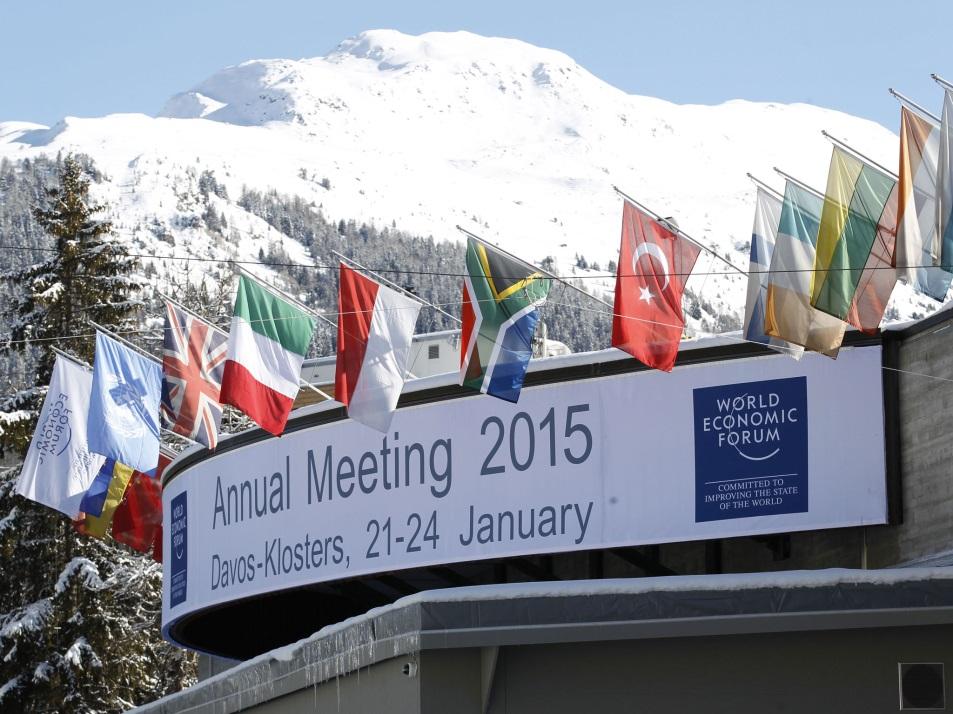
So it was with interest I read the Coca-Cola story this week. They have decided not to abandon single-use plastic bottles… because? Because people still want them because they are light and resealable. The company makes 200,000 bottles a minute – that’s 3,000,000 tonnes a year. Ms Perez was talking on that subject at Davos. The Mail Online describes her as follows:
“Ms Perez is apparently the Coca-Cola corporation's 'Head of Sustainability'. Can there be a more comical job description? What's next? Hannibal Lecter as the face of Veganuary?”
Here’s what Ms Perez says. “Business won’t be in business if we don’t accommodate consumers.”
Or Beatrice – that’s her name – humanity will cease to exist unless we take this plastics issue more seriously than you are.
Apparently the weight of plastics in our oceans will weigh more than the fish by 2050 if we carry on like this. But so long as Coke’s customers buy plastic they’ll just carry on providing it willy-nilly. Unlike Tesco. Dave Lewis, its CEO, is taking a lead The banning the use of plastic for multibuys (regardless that customers find them convenient) and has declared war on plastic in their own label products. He reckons to remove 1 billion pieces of single-use plastics by the end of the year. Tesco seems to have a more enlightened view of what good business is than Coca-Cola does.
The operating theatre is open; plastic surgery has begun. And about time.
Showing posts with label Davos. Show all posts
Monday, 27 January 2020
THE NEED FOR PLASTIC SURGERY
Labels:
apocalyptic,
coca cola,
Dave Lewis,
Davos,
Tesco,
The Graduate
Posted by
Richard Hall
at
10:03
Tuesday, 23 January 2018
IS DAVOS ALL IT'S CRACKED UP TO BE?
On his doctor’s advice, Robert Louis Stevenson spent two winters in Davos. He finished Treasure Island there, but didn’t like the place:
“Shut in a kind of damned Hotel,
Discountenanced by God and man;
The food? – Sir, you would do as well
To fill your belly full of bran.
The company? Alas the day
That I should toil with such a crew,
With devil anything to say,
Nor anyone to say it to.”
‘So,’ according to E.S. Turner, ‘RLS took to tobogganing, alone and at night, which he found strangely exalting.’
(Thanks to the London Review of Books for this)
“Shut in a kind of damned Hotel,
Discountenanced by God and man;
The food? – Sir, you would do as well
To fill your belly full of bran.
The company? Alas the day
That I should toil with such a crew,
With devil anything to say,
Nor anyone to say it to.”
‘So,’ according to E.S. Turner, ‘RLS took to tobogganing, alone and at night, which he found strangely exalting.’
(Thanks to the London Review of Books for this)
Monday, 25 January 2016
ISSUES OF LEADERSHIP
I’ve just finished Robert Harris’ “Dictator,” the last in his quadrilogy of books on Cicero. It’s about leadership as much as about Cicero. We have a smorgasbord of leadership types. Cicero himself, Pompey, Mark Anthony, Octavius and the so called, self-styled God called Julius Caesar, clearly insane but brilliant at building a fighting force of employees through non-stop action making all of them feel that they are irreplaceable and unstoppable.
Ernest Saunders at Guinness was a bit like that…he had the best foot soldier/marketers any general/CEO in business ever had. Talk to them now and they are still in awe of each other, of what they achieved with “the black stuff” as they called Guinness and having been part of the highest performing team they could remember.
The conversation about leadership is thrown into relevance by Davos where the movers and shakers are gathering like sleek vultures. The recently published Ipsos Mori Veracity Index which has been charting levels of public trust in various professions for 32 years is even more relevant.
Business leaders are now amongst the least trusted groups. As Matthew Parris spluttered in Saturday’s Times:- “the typical FTSE CEO makes 183 times more than their average employee…” Leadership is being measured, he implies, by how much they earn not by how effective they are.
What do we really expect from leaders?
In the Roman Republic they spent most of their time trying to construct checks and balances to avoid the Julius Caesar “I am God” problem. We spend our time today trying to create images of leadership perfection. Tim Cook, Charlie Mayfield, Howard Schultz and so on but whichever way it’s not going to be a long list.
When Tony Hayward ex BP CEO and running that business during the Deepwater Horizon crisis took a "day off" to see Bob, his co-owned boat, participate in the Round the Island yacht race off the Isle of Wight with his son saying he wanted to get “his life back”. In truth he was paid all those millions not to have a life of his own.
Leaders are needed to be different things in different situations. We choose the leaders we think we need. Churchill in 1940; Reagan in 1981; Thatcher in 1979; Blair in 1997. Sometimes we need inspirers, sometimes martinets, sometimes healers, sometimes role models and sometimes visionaries.
Reflect on the deluges that came after Lord Browne, Tim Leahy, Justin King, Alex Ferguson, Marjorie Scardino … and increasingly we realise leadership is as much to do with luck as skill.
To understand the role of leader, watch this Ted Talk:-
This a stunning story about conductors and styles of leadership from Itay Talgam, the Israeli Conductor and Business Consultant. It’s both insightful and very funny.
But don’t people need the smack of strong leadership…people like Trump and Putin?
No. I think people need leaders who manage to draw the best out of them…who make them surprise themselves.
Surely the age of the bully-leader is over.
Ernest Saunders at Guinness was a bit like that…he had the best foot soldier/marketers any general/CEO in business ever had. Talk to them now and they are still in awe of each other, of what they achieved with “the black stuff” as they called Guinness and having been part of the highest performing team they could remember.
The conversation about leadership is thrown into relevance by Davos where the movers and shakers are gathering like sleek vultures. The recently published Ipsos Mori Veracity Index which has been charting levels of public trust in various professions for 32 years is even more relevant.
Business leaders are now amongst the least trusted groups. As Matthew Parris spluttered in Saturday’s Times:- “the typical FTSE CEO makes 183 times more than their average employee…” Leadership is being measured, he implies, by how much they earn not by how effective they are.
What do we really expect from leaders?
In the Roman Republic they spent most of their time trying to construct checks and balances to avoid the Julius Caesar “I am God” problem. We spend our time today trying to create images of leadership perfection. Tim Cook, Charlie Mayfield, Howard Schultz and so on but whichever way it’s not going to be a long list.
When Tony Hayward ex BP CEO and running that business during the Deepwater Horizon crisis took a "day off" to see Bob, his co-owned boat, participate in the Round the Island yacht race off the Isle of Wight with his son saying he wanted to get “his life back”. In truth he was paid all those millions not to have a life of his own.
Leaders are needed to be different things in different situations. We choose the leaders we think we need. Churchill in 1940; Reagan in 1981; Thatcher in 1979; Blair in 1997. Sometimes we need inspirers, sometimes martinets, sometimes healers, sometimes role models and sometimes visionaries.
Reflect on the deluges that came after Lord Browne, Tim Leahy, Justin King, Alex Ferguson, Marjorie Scardino … and increasingly we realise leadership is as much to do with luck as skill.
To understand the role of leader, watch this Ted Talk:-
This a stunning story about conductors and styles of leadership from Itay Talgam, the Israeli Conductor and Business Consultant. It’s both insightful and very funny.
But don’t people need the smack of strong leadership…people like Trump and Putin?
No. I think people need leaders who manage to draw the best out of them…who make them surprise themselves.
Surely the age of the bully-leader is over.
Labels:
Churchill Julius Caesar,
Cicero,
colourful thinkers,
Davos,
Deepwater Horizon,
Ernest Saunders,
Guinness,
Ipsos Mori,
leadership,
Margaret Thatcher,
Mark Anthony,
Ronald Reagan,
Tony Blair,
Tony Hayward
Posted by
Richard Hall
at
09:30
Friday, 31 October 2014
WHY THOUGHTFULNESS BEATS MINDFULNESS
Mindfulness has become the new Pilates or Yoga. People use it to remove stress and doubt. But some find the trouble is it removes ideas and energy as well. “I felt terrific but when they asked where the work was I grinned and said ‘live and let live’. They didn’t seem too impressed.”
Yi-Yuan Tang (Universities of Oregon and Dalia, China) says of mindfulness “it creates a state of restful alertness …a balanced state of relaxation whilst focusing attention.…” And everything I know about the modern world says this is a great tool. In Davos Gwyneth Paltrow espoused it and even described it as “the new black.”
But…and it’s not a huge ‘but’, but it is a ‘but’….I think content matters…I think people need to focus on energising their brains usefully rather than resting them. If mindfulness is the new black then I think thoughtfulness is the new technicolour. Thoughtfulness is about trying to improve our fluid intelligence, our memory and our attention. It means cutting out multitasking (the most ludicrous practice ever - the next time someone’s texting while you’re talking stop talking.)
It is probable that “attention” is the scarcest and most precious commodity on the planet right now so pay attention, listen and think.
It’s strange that we can imagine thinking is so natural an activity that we don’t have to work at it and focus on how to feed our brains with new ideas and inspiration. We seem currently too worried about how we feel rather than how or if we are thinking powerfully. Our most important tool is being taken for granted. Allan Snyder from the University of Sydney described the lack of creative thinking - thinking at its best thus:
“Imagine a company devoid of creativity and you’re looking at a place…about to die.”
How to solve problems and make brilliant decisions. (Business Thinking Skills that really work) published by Pearson is coming out on November 7th 2014
Yi-Yuan Tang (Universities of Oregon and Dalia, China) says of mindfulness “it creates a state of restful alertness …a balanced state of relaxation whilst focusing attention.…” And everything I know about the modern world says this is a great tool. In Davos Gwyneth Paltrow espoused it and even described it as “the new black.”
But…and it’s not a huge ‘but’, but it is a ‘but’….I think content matters…I think people need to focus on energising their brains usefully rather than resting them. If mindfulness is the new black then I think thoughtfulness is the new technicolour. Thoughtfulness is about trying to improve our fluid intelligence, our memory and our attention. It means cutting out multitasking (the most ludicrous practice ever - the next time someone’s texting while you’re talking stop talking.)
It is probable that “attention” is the scarcest and most precious commodity on the planet right now so pay attention, listen and think.
It’s strange that we can imagine thinking is so natural an activity that we don’t have to work at it and focus on how to feed our brains with new ideas and inspiration. We seem currently too worried about how we feel rather than how or if we are thinking powerfully. Our most important tool is being taken for granted. Allan Snyder from the University of Sydney described the lack of creative thinking - thinking at its best thus:
“Imagine a company devoid of creativity and you’re looking at a place…about to die.”
How to solve problems and make brilliant decisions. (Business Thinking Skills that really work) published by Pearson is coming out on November 7th 2014
Labels:
black,
business thinking skills,
colourful thinkers,
Davos,
gwyneth paltrow,
Pearson,
Pilates,
Richard Hall,
Richard Hall author,
technicolour,
University of Oregon
Posted by
Richard Hall
at
08:30
Monday, 3 March 2014
THE WORST KIND OF OBESITY IS IN THE MIND
The diagnosis was rather depressing:
“You are what we call intellectually obese. Your symptom is constipation in using the word ‘why’ brought on by a diet of junk-literature ….there’s only one treatment.”
She slid a card across the table.
DIGNITAS
P.O. Box 17
8127 Forch
Switzerland
Authorities view physical obesity as the most serious public health problems but no one is talking about an equally serious issue.
‘Obesity of the mind’, by which I mean having neglected one’s “thinking-diet” so badly that one becomes unable to think quickly, stops being inquisitive and becomes reliant on sound bites. Politicians are full of concern about our children’s exam results but not about their capacity to think.
Exams are easy to fix. It’s thinking that’s hard.
Right now we are being bombarded with stuff on mindfulness. Gwyneth Paltrow even talked about it at Davos. Hopefully everyone there felt their feet on the ground, attended to their breathing and ‘noticed’ their thoughts. No, I’m not being sarcastic. Much of the mindfulness liturgy makes sense….we should live for now rather than dwelling on the past or speculating about the future.
But as well as being ‘mindful’ we also need to be ‘thoughtful’.
Being thoughtful means taking nothing for granted. It means being a bit contrary. It means being prepared to ask “why” rather more than we are used to. It means saying “not necessarily”. And it means accepting that in a rapidly changing world the old way may be the wrong way but equally the new way might be entirely misguided too.
Nassim Taleb, a contrarian and passionate radical, is very expressive on what he calls the insanity of “neomania” - believing that all things new are not necessarily great.
The thinking person’s kit includes a large pinch of curiosity, voracious reading and a cheerful refusal to be bamboozled by anything.
What’s strange about all this is we have, through technology, a better set of thinking tools than we’ve ever had. We have access to more information and more chances of asking “why?” but sometimes we seem disinclined to take advantage of them.
There are exceptions like the astonishing success of the Khan Academy – a not-for-profit website that’s the hottest educational phenomenon in the world. https://www.khanacademy.org
No obesity here….just a constant muscular “why” driving the whole enterprise.
And finally my grandsons who asked after me reading them a story about a sausage destined for their tea escaping from the house followed by peas and fries:
“Grandpa what do you think?”
‘What do you think’ are the four most turbocharged words I know, meaning ‘what’s your opinion?’ or ‘what’s your decision?’ or ‘what’s on your mind?’ But from 5 and 7 year olds there’s a need for being direct with simplicity, clarity and honesty in your answer. No frills, waffle or sidestepping.
With questions like that being asked there’s simply no chance of mental obesity.
Labels:
constipation,
contrarian,
Davos,
dignitas,
gwyneth paltrow,
khan academy,
Nassim Taleb,
obesity,
over-weight,
Richard Hall
Posted by
Richard Hall
at
06:00
Monday, 6 February 2012
DISCONTENT, LOWERING CLOUDS AND STERN ALARUMS
It was winter that did for Jim Callahan’s government in 1979 and now it’s this winter that’s putting a spoke into GB Limited.
We’re told that the people are disgusted appalled and sickened by the fat cat pay packets and bonuses. We’re also told that top executives at Davos are genuinely very angry about all this and that bankers can’t work in the current populist climate in Britain. But as Dave our leader said once “calm down dears, calm down”.
What made America great and is making India and China great now is the ability of anyone to get rich by doing well. So we too should applaud the success of a Dyson, Sorrell or Foster - and their wealth. What equally we should be cross about is tax avoidance and pay rises just for being in a big job. But in the end the levels of pay have to be left to shareholders and remuneration committees.
I personally think some people earn too much and some too little. Tube Drivers (although the word “driver” is a little extravagant, perhaps, now everything’s controlled by computer they tell me) earn £52,000 a year. But they’ll say people Stephen Hester like earn 20 times as much. But let’s start talking not about what we do and what we earn but how well we do what we do. Let’s talk about winning and not whinging - all of us.
Bankers are a special case because as Rod Liddle observed just as people who run sweet shops sample a lot of their wares and get fat so bankers run money shops and get rich on the stock. And now finding themselves a bit unpopular they and top businessmen are talking about moving away.
But where will they go if they flounce off abroad?
Zurich, Paris (obviously not Paris), Bonn, Monaco, Guernsey, Luxembourg?
Are you crazy? London has the buzz, the shops, the theatre, opera houses, art galleries, restaurants, schools, nice houses, civilisation and so on. London inspires. The other places are retirement homes in contrast whilst London rocks. So they’ll stay. Their wives will make them.
But the issue should be how “together” (Messrs Cameron, Osborn and Clegg) do we create a climate for winning, for growth, for wealth, for jobs and for talent? Stop pandering to a misguided crusade for business-bashing. Get the over-paid to recognise they’ve looked greedy and get them to show humility.
Calm everyone down.
Most of all whatever else, have the courage to do what it takes to make Britain the best country in the world to live and in which to do business. And I mean “whatever it takes.”
Subscribe to:
Posts (Atom)