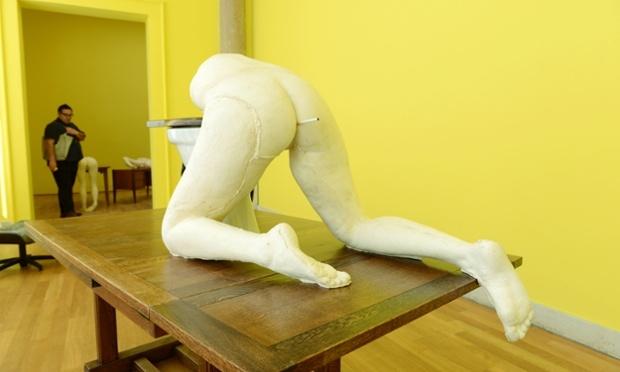
It’s been strange. We have a TV in our apartment in Venice and it’s remained silent and unused for two weeks. We haven’t seen a newspaper. We overhead an Englishman muttering “this Greece business looks bad”…..plus ḉa change…..but other than that we’ve been a news free zone.
First of all we feel free of that anxiety about English cricket, the EU and the latest tech company to tumble. Life is parochial, sunny and more orientated to lunch and supper than matters of state. And here’s the question. Have we, through the 24/7 wonders of our uber-fast communications set up in today’s world, become wildly undiscriminating and lazy? Everything matters and nothing does. News comes non-stop in torrents of little gobbets like cicchetti.
What is remarkably obvious is freedom from the news for a while is incredibly relaxing. Although I must confess I sent an e-mail to my garage about a service but it seems it ended up in their “junk folder” and so it should. Next time we come here there’ll no phone or laptop either.
So what news do I have apart from my rant last week on art?
Just three things:
Customer service here in Venice is getting better and better from the highly personalised welcome from one restaurant, the Riviera - “Good evening…I own this restaurant and want you to have a really lovely time this evening…call me if there’s anything you want” (and I think he genuinely meant it)
to another at La Bitta where on giving me the bill the owner said “I’ve taken €10 off as you’re friends” glaring at a German couple at the next table who clearly were not (but yes we do go to this restaurant a lot)
The centre of Venice around St Mark’s Square, the Riva degli Schiavoni and the Rialto are packed by bemused tourists but as now we know how to have a quiet restful time in Dorsiduro and around Santa Croce. Do not trust people who say it’s noisy, crowded and ruined any more than you’d say Brighton or London are.
Venice is good value. Yes honestly. It isn’t a rip-off joint. Take Alsquero, a little cicchetti bar which deservedly gets rave reviews on Trip Advisor. Think triple sized canapes costing just 80p each and a wonderful small glass of wine at less than £2. Lunch costs about £5…and this is not atypical.
The final point is to anyone and everyone in business. Every so often take off to a place like Venice which is alive and trading but restful too. Get an apartment - hotels are so claustrophobic and reminiscent of business. Read lots. Walk lots. Eat lots. Don’t take too many clothes. Wash out that dull, news filled dusty mind.
I only realise now how bad tempered, knackered and stressed I’d been. And I have a really easy life.
So “rilassarsi, divertirsi e cin, cin” and remember doing nothing is sometimes the best strategy.
Monday, 29 June 2015
HAVE I GOT NEWS FOR YOU?
Labels:
English cricket,
Greece,
Greece looks bad,
La Bitta,
tech,
venice,
Venice apartment
Posted by
Richard Hall
at
08:30
Monday, 22 June 2015
'ART, WHEREFORE ART THOU?'
I’d like to claim these words came from the second merchant called Biennale in Shakespeare’s lesser known “Merchant of Venice 2” but I can’t and it doesn’t.
But neither it would seem, does art play much of a leading role in La Biennale di Venezia – the 56th International Art Exhibition. The critics have been cruel about it. Respectively the Guardian, Telegraph and Times:
“More of a glum trudge than an exhilarating adventure”
“Hectoring and joyless”
“Why Venice should be allowed to drift slowly towards a dignified death”
Not ringing praise then and to be fair the Biennale’s title “All the World’s Futures” deadens one’s expectations with its sententious pomposity. Why is it artists speak in a language (which I call Sewellese) that is excluding, abstract and just weird?
The Czech and Slovak Republic Pavilion slogan…inspiring thought!
Either that or they distress themselves by the foulness of capitalism (and they do this in Venice the very origin of a rapacious love of money), of inequality, cruelty, war and so on. Life seems bad to the artists of today. Ironically all this sits alongside some of the most joyously uplifting works of previous centuries in the galleries in the heart of Venice like the Academia, Ca Pesaro, Ca D’Oro and the Correr.
The Swiss Salon on the Zattere proclaims: “The World’s in a Hell of a Mess” (is it? Well look harder), New Zealand examines “Psychological Blocks of Perception” and throughout the city there are fragments of letters of complaint by victims of torture in Iraq. Any second I expect to see Ed Miliband walk round the corners and say “see what I mean?” Phrases like “Present Nearness” from Grenada (no me neither) leap out of posters. It’s like being trapped in Pseuds Corner.
The actual Giardini event is vast. Things to like – yes in a messy world let’s look on the brighter side at last.
The giant live, helmeted, masked fighter pilot’s head with breathing kit at the entrance to the Russian stand is dramatic.
The intricate vast spiders’ webs of keys hanging from the ceiling and their videos of tiny children from around the world talking about where babies come from (“I came out very fast….. vroom…”) in the Japanese stand was memorable.
The US stand of which I’d heard good things was just dull.
If you like Spam, cigarettes and female orifices you’d love the UK stand….some said it was “funny”.
But Fiona Hal’s work and ideas on the Australian stand was three star Michelin art. In six or seven sections it was witty, beautiful and thought provoking. She’d engaged some Aborigine women to work as a team creating soft toy endangered animals out of military battle fatigues and military waste….it was extraordinary. One wall was covered in a display of driftwood from a river in New Zealand – strange and beautiful.
The Australian girls on the stand were serious and very articulate.
Australia and Fiona thank you. I believe in art and the Biennale again.
But neither it would seem, does art play much of a leading role in La Biennale di Venezia – the 56th International Art Exhibition. The critics have been cruel about it. Respectively the Guardian, Telegraph and Times:
“More of a glum trudge than an exhilarating adventure”
“Hectoring and joyless”
“Why Venice should be allowed to drift slowly towards a dignified death”
Not ringing praise then and to be fair the Biennale’s title “All the World’s Futures” deadens one’s expectations with its sententious pomposity. Why is it artists speak in a language (which I call Sewellese) that is excluding, abstract and just weird?
The Czech and Slovak Republic Pavilion slogan…inspiring thought!
Either that or they distress themselves by the foulness of capitalism (and they do this in Venice the very origin of a rapacious love of money), of inequality, cruelty, war and so on. Life seems bad to the artists of today. Ironically all this sits alongside some of the most joyously uplifting works of previous centuries in the galleries in the heart of Venice like the Academia, Ca Pesaro, Ca D’Oro and the Correr.
The Swiss Salon on the Zattere proclaims: “The World’s in a Hell of a Mess” (is it? Well look harder), New Zealand examines “Psychological Blocks of Perception” and throughout the city there are fragments of letters of complaint by victims of torture in Iraq. Any second I expect to see Ed Miliband walk round the corners and say “see what I mean?” Phrases like “Present Nearness” from Grenada (no me neither) leap out of posters. It’s like being trapped in Pseuds Corner.
The actual Giardini event is vast. Things to like – yes in a messy world let’s look on the brighter side at last.
The giant live, helmeted, masked fighter pilot’s head with breathing kit at the entrance to the Russian stand is dramatic.
The intricate vast spiders’ webs of keys hanging from the ceiling and their videos of tiny children from around the world talking about where babies come from (“I came out very fast….. vroom…”) in the Japanese stand was memorable.
The US stand of which I’d heard good things was just dull.
If you like Spam, cigarettes and female orifices you’d love the UK stand….some said it was “funny”.
But Fiona Hal’s work and ideas on the Australian stand was three star Michelin art. In six or seven sections it was witty, beautiful and thought provoking. She’d engaged some Aborigine women to work as a team creating soft toy endangered animals out of military battle fatigues and military waste….it was extraordinary. One wall was covered in a display of driftwood from a river in New Zealand – strange and beautiful.
The Australian girls on the stand were serious and very articulate.
Australia and Fiona thank you. I believe in art and the Biennale again.
Labels:
Australian girls,
Biennale,
Brian Sewell,
colourful thinkers,
Ed Miliband,
look on the bright side,
Merchant of Venice,
Richard Hall,
Shakespeare,
Telegraph,
the Guardian,
Times,
venice,
where babies come from
Posted by
Richard Hall
at
08:30
Monday, 15 June 2015
PUTTING MY AFFAIRS IN ORDER
No don’t worry I’m not about to hand in my dinner pail just yet so far as I know. It’s just that bizarre thing of going on holiday, which I should clearly do more often and feeling impelled to leave everything tidy (or as tidy as a house in upheaval through redecoration can be left.)
I feel quite smug. I’ve proof read my latest four books. Packed - well actually my wife has packed but I told her what to put in. I’ve downloaded a mass of books on to our Kindles, completed a couple of projects. Given books to charity and ticked off everything on “my to-do list”.
What is on my mind now?
I’m concerned about the way social media is going. No the internet is not the answer - I agree with Andrew Keen on this one. Twitter is in trouble - CEO Dick Costolo gone - investors angry. They were promised the moon and haven’t yet got much more than a piece of cheese. Apple is out to demolish Spotify. And this week I saw something weird - a poster which should have been a tweet.
Good punchy stuff but guys, guys…I’m driving and get the idea that Stella Export has just been launched. Damn. I nearly hit that cyclist trying to read the small print….and you mate and you.
Too many words - there are just too many words. At FCO the axiom was fewer words good - example Wimbledon Shoe from Nike “McEnroe swears by them”.
It’s too complex an idea - we are better than Stella - no didn’t get that first or second time - in fact “Why Stella is stellar” is a great ad for….sorry …Stella.
My point is a social media idea has been whacked onto a poster is the mistaken belief they work the same way. They just don’t.
And having mentioned Nike I recall talking about marketing to the Brighton Chamber of Commerce and being reviled for praising Nike. Down here in Caroline Lucas country where even Naomi “No Logo” Klein is regarded as too soft on brands like Coke and Nike, big US brands are capitalist and vile.
Small is beautiful.
Well I thought they were crazy but you know the stories about Nike coming out of from the FIFA debacle , the story in the Daily Mail - yes I know- “How Nike lured Mo Farah to work with coach Alberto Salazar in Oregon” and more recently the comments of Julie Strasser - wife of the late Rob Strasser, one of Nike founders - about the value shift in the company from attitude creator to money machine, well, all of those begin to question my previous judgement about a favourite brand.
And FIFA?
I hear Hillaire Belloc’s words in my ears:-
“And always keep ahold of nurse
For fear of finding something worse.”
Rather like the Arab Spring I suspect the toppling of corrupt tyranny often leads to something much worse.
I feel quite smug. I’ve proof read my latest four books. Packed - well actually my wife has packed but I told her what to put in. I’ve downloaded a mass of books on to our Kindles, completed a couple of projects. Given books to charity and ticked off everything on “my to-do list”.
What is on my mind now?
I’m concerned about the way social media is going. No the internet is not the answer - I agree with Andrew Keen on this one. Twitter is in trouble - CEO Dick Costolo gone - investors angry. They were promised the moon and haven’t yet got much more than a piece of cheese. Apple is out to demolish Spotify. And this week I saw something weird - a poster which should have been a tweet.
Good punchy stuff but guys, guys…I’m driving and get the idea that Stella Export has just been launched. Damn. I nearly hit that cyclist trying to read the small print….and you mate and you.
Too many words - there are just too many words. At FCO the axiom was fewer words good - example Wimbledon Shoe from Nike “McEnroe swears by them”.
It’s too complex an idea - we are better than Stella - no didn’t get that first or second time - in fact “Why Stella is stellar” is a great ad for….sorry …Stella.
My point is a social media idea has been whacked onto a poster is the mistaken belief they work the same way. They just don’t.
And having mentioned Nike I recall talking about marketing to the Brighton Chamber of Commerce and being reviled for praising Nike. Down here in Caroline Lucas country where even Naomi “No Logo” Klein is regarded as too soft on brands like Coke and Nike, big US brands are capitalist and vile.
Small is beautiful.
Well I thought they were crazy but you know the stories about Nike coming out of from the FIFA debacle , the story in the Daily Mail - yes I know- “How Nike lured Mo Farah to work with coach Alberto Salazar in Oregon” and more recently the comments of Julie Strasser - wife of the late Rob Strasser, one of Nike founders - about the value shift in the company from attitude creator to money machine, well, all of those begin to question my previous judgement about a favourite brand.
And FIFA?
I hear Hillaire Belloc’s words in my ears:-
“And always keep ahold of nurse
For fear of finding something worse.”
Rather like the Arab Spring I suspect the toppling of corrupt tyranny often leads to something much worse.
Labels:
Apple,
Carlsberg,
charity,
colourful thinkers,
holidays,
kindle,
Richard Hall,
social media,
spotify,
tweet,
Twitter,
wife
Posted by
Richard Hall
at
09:30
Monday, 8 June 2015
WHAT'S THE STORY?
Storytelling is on the lips of people in big business right now. I keep on coming across self- styled professional corporate storytellers and hearing about storytelling courses. Makes a change from my childhood when I got into trouble for telling stories. Nowadays you don’t get to the top unless you are a storyteller - this goes beyond advertising and branding - this is the narrative that drives the strategy.
And you can see why because we are living in a world so complex and unpredictable where for instance this week it was discovered that sawfish were commonly having virgin births. Slightly less extraordinary than one thought when the experts suggest species will go to extraordinary ends to survive. And sex is a primitive way of achieving that end.
Yuval Noah Harari has written a book called “Sapiens: a brief history of humankind”. In it he explores the reason why Homo Sapiens has been so successful. Part of the reason is the exotic and descriptive language that our species started to develop. It was beyond nouns, verbs and rational specifics. We traded in speculation, gossip, abstract and the unknown. Homo Sapiens, he suggests in short, made it because we could imagine the future, tell stories and thereby invent things.
I was talking first to a senior executive recently who lamented the inability of his key guys to inspire people when going through their sales pitch which always seemed to become a rather left brained selling proposition-based event. Tell them I said, to get their clients to imagine a future transformed by the product or service the idea they were selling. Take the John Lennon route:
“Imagine there’s no heaven
It’s easy if you try”…
And then to an entrepreneur who had a product idea imported from Asia which was priced awkwardly (sorry, that’s code for “too expensive”.) The solution I suggested would lie in packaging and marketing magic whereby the intrinsic virtues of the idea could be romanced, enhanced and increased in value. In other words it needed a story to be built around it.
Why are Game of Thrones, House of Cards and the X-Men film series such compulsive viewing for so many? How have Michael Crichton, John Grisham, Stieg Larsen and Terry Pratchett storytelling defined our view of written stories over the past two decades. The popularity of these and longer form TV series and film legends like Star Wars and Star Trek have happened because they are great primal stories involving exploration, fear, ambition and love but most of all because they carve out new worlds and new possibilities.
We’ve had a week where the Iron Throne of FIFA has been vacated and we face a future of a footballing Arab Spring…write the next part of this story but bear in mind it’s going to get very nasty. Stories like these will be spoken of long into the future.
Our lives are rich in stories. That’s why humanity got to be so smart (and sometimes so crooked.)
And you can see why because we are living in a world so complex and unpredictable where for instance this week it was discovered that sawfish were commonly having virgin births. Slightly less extraordinary than one thought when the experts suggest species will go to extraordinary ends to survive. And sex is a primitive way of achieving that end.
Yuval Noah Harari has written a book called “Sapiens: a brief history of humankind”. In it he explores the reason why Homo Sapiens has been so successful. Part of the reason is the exotic and descriptive language that our species started to develop. It was beyond nouns, verbs and rational specifics. We traded in speculation, gossip, abstract and the unknown. Homo Sapiens, he suggests in short, made it because we could imagine the future, tell stories and thereby invent things.
I was talking first to a senior executive recently who lamented the inability of his key guys to inspire people when going through their sales pitch which always seemed to become a rather left brained selling proposition-based event. Tell them I said, to get their clients to imagine a future transformed by the product or service the idea they were selling. Take the John Lennon route:
“Imagine there’s no heaven
It’s easy if you try”…
And then to an entrepreneur who had a product idea imported from Asia which was priced awkwardly (sorry, that’s code for “too expensive”.) The solution I suggested would lie in packaging and marketing magic whereby the intrinsic virtues of the idea could be romanced, enhanced and increased in value. In other words it needed a story to be built around it.
Why are Game of Thrones, House of Cards and the X-Men film series such compulsive viewing for so many? How have Michael Crichton, John Grisham, Stieg Larsen and Terry Pratchett storytelling defined our view of written stories over the past two decades. The popularity of these and longer form TV series and film legends like Star Wars and Star Trek have happened because they are great primal stories involving exploration, fear, ambition and love but most of all because they carve out new worlds and new possibilities.
We’ve had a week where the Iron Throne of FIFA has been vacated and we face a future of a footballing Arab Spring…write the next part of this story but bear in mind it’s going to get very nasty. Stories like these will be spoken of long into the future.
Labels:
birth,
Blatter,
FIFA,
Game of Thrones,
Homo Sapiens,
storytelling,
Virgin,
Yuval Harari
Posted by
Richard Hall
at
08:30
Monday, 1 June 2015
MOMENTUM IS KING
Do you recall that story about Sisyphus, a thoroughly nasty piece of work by all accounts , who was forever condemned to push the same heavy boulder up a hill only for it to roll back down again every time?
Imagine the encouraging call “Push, push Sisyphus” followed by “oops”.
It struck me that the 71% of people (unearthed by the Royal Society of Arts in research) who show up as dissatisfied and unhappy with their jobs probably feel like this Corinthian king. Bored and fed up.
What they are lacking is momentum. They’re living a Groundhog Day existence making simply no progress at all with every day feeling the same as the last.
In a recent Test Match at Lords both sides had players who took the match by the scruff of the neck and made something unexpected happen. We see it in markets where traders still bellow seductively about their wares - “lovely juice-oozing strawberries, strong gob-burning Cheddar”….
Yet in a world of self service and social media we just let things sit there in a rather docile way until big-data spreadsheets tell us what’s happened to sales.
Momentum? Remember the Olympics and the delicious demolition of cynics as momentum built to that dizzy climax of Day 8, August 4th when Britain won six gold medals and the good humour of the whole event spilt over into helpless disbelief - could life ever get better?
Momentum? The Ivy and The Chiltern Firehouse - restaurants that you can’t get into because the momentum of their reputation exceeds the reality of their offering.
Momentum? Game of Thrones or Oliver Twist - yes, Dickens was the original momentum builder and master of the cliff hanger.
I love the moment when, with a cunning mixture of promotion, packaging and chutzpah, momentum begins to unfold before you, because a nerve is struck and imagination is fired up. It’s that lighting the blue touch paper moment when the fizzing sound of ignition briefly precedes a bang.
Momentum is the most important aspect of marketing. You can have a great plan but if nothing happens you’re a loser. Marketing is littered by brilliant people who cautiously advanced but achieved no oomph. The skill is in in making something happen out there not looking good in here, the boardroom. To achieve momentum you need to inspire a following, get people trying your product or service and then telling others they like it.
Forget the bottom line. If you don’t have a top line you don’t have a business. Buy sales, give your product away or hire beautiful people to sample it. Flaunt it don’t intellectualise.
There’s a new book by Yuval Noah Harari called “Sapiens” and it’s about us, human beings, and why we’ve made it so big. He attributes it to our ability to tell stories, create visions and so on.
Great stories create momentum. Stories that involve people, engage and inspire them - momentous stories.
And, remember, momentum is king.
Labels:
Groundhog Day,
Olympics,
Richard Hall,
Richard Hall author,
Royal Society of Arts,
Sisyphus,
test match
Posted by
Richard Hall
at
08:30
Monday, 18 May 2015
WE'RE GOING TO LIVE TO A HUNDRED
Do you remember the 1980 TV series “Fame”? It was about the New York School of Performing Arts. This week I remembered one of the songs in it.
“Fame …. I’m going to live forever
Baby, remember my name”
It was no surprise to hear at the London Business School this week that we had moved into an era where there was a fair certainty most would live to a hundred. Hurray… that’ll keep King William pretty busy. 80 million telegrams….or will they do it the other way round - send e-mails to the families of those whose members miss the century - “hard luck!”
The thesis is this. Governments and Corporations don’t know what to do with the oldies. But we can’t afford to support people for 35 years after retirement. Pensions used to pay out for only 5 or so years and then “aagghh!”
So we’ll have to work to 80….and the question is doing what exactly? Bricklaying, digging, riot policing?
The plan on paper looks fine - we learn up to 22 then hone that learning into practical, high earning work for 20 years then take a new learning sabbatical and emerge to do good work but much less well paid and at age 65 - 70 pause before embarking on a decade or so of creative mentoring before, aged 80, heading for Southampton for the cruise ships.
Talking about an abrupt change to pension arrangements is not something governments will ever do - suicide is something they tend to try and avoid.
Do you remember the film 1976 Logan’s Run which depicts a dystopian future society in which population and the consumption of resources are maintained in equilibrium by killing everyone who reaches the age of thirty thereby preventing overpopulation? Thought not.
Nature will use its cocktail of plague, pestilence and natural disaster to control population growth but what are those who make it through this going to do? The alarming data from a US University who’ve conducted research into MBA graduate aspirations over 20 years is that the new cohort is a bit different.
We are considering the intractable problem of irreversibility. If you marry at 20 and make a mistake it’s an 80 year error or worse - it could turn out to be 4 errors of 20 years each with a devastating impact on your wealth.
But don’t despair.
The solutions are threefold:
It’s seriously time to stop thinking about WORK but to see work as life and creative and fun and carry on doing it as long as we can disguising our visible age by technology and cosmetics.
After all did anyone know the genius PD James was 90 odd when she died still writing? Oh and Melvyn Bragg above is 80.
“Fame …. I’m going to live forever
Baby, remember my name”
It was no surprise to hear at the London Business School this week that we had moved into an era where there was a fair certainty most would live to a hundred. Hurray… that’ll keep King William pretty busy. 80 million telegrams….or will they do it the other way round - send e-mails to the families of those whose members miss the century - “hard luck!”
The thesis is this. Governments and Corporations don’t know what to do with the oldies. But we can’t afford to support people for 35 years after retirement. Pensions used to pay out for only 5 or so years and then “aagghh!”
So we’ll have to work to 80….and the question is doing what exactly? Bricklaying, digging, riot policing?
The plan on paper looks fine - we learn up to 22 then hone that learning into practical, high earning work for 20 years then take a new learning sabbatical and emerge to do good work but much less well paid and at age 65 - 70 pause before embarking on a decade or so of creative mentoring before, aged 80, heading for Southampton for the cruise ships.
Talking about an abrupt change to pension arrangements is not something governments will ever do - suicide is something they tend to try and avoid.
Do you remember the film 1976 Logan’s Run which depicts a dystopian future society in which population and the consumption of resources are maintained in equilibrium by killing everyone who reaches the age of thirty thereby preventing overpopulation? Thought not.
Nature will use its cocktail of plague, pestilence and natural disaster to control population growth but what are those who make it through this going to do? The alarming data from a US University who’ve conducted research into MBA graduate aspirations over 20 years is that the new cohort is a bit different.
- 1/3 say they won’t have children
- 1/3 say their work is all
- 1/s say they’d negotiate equal work rights in marriage (if they got married…. If!!!)
We are considering the intractable problem of irreversibility. If you marry at 20 and make a mistake it’s an 80 year error or worse - it could turn out to be 4 errors of 20 years each with a devastating impact on your wealth.
But don’t despair.
The solutions are threefold:
- Grandchildren
- Technology
- Creative thinking
It’s seriously time to stop thinking about WORK but to see work as life and creative and fun and carry on doing it as long as we can disguising our visible age by technology and cosmetics.
After all did anyone know the genius PD James was 90 odd when she died still writing? Oh and Melvyn Bragg above is 80.
Labels:
"richard hall",
colourful thinkers,
Fame,
Government,
King William Windsor,
London Business School,
New York,
pension payout,
work
Posted by
Richard Hall
at
08:30
Monday, 11 May 2015
TWO ESSENTIALS WE CAN DO WITHOUT
I’ve written quite a lot on leadership. Shelves in bookshops are crammed with beastly tomes on the subject (“Leadership Plain and Simple”; “the Top 100 Ways to be a Great Leader”; “The Three Levels of Leadership” and over 24,000 more on this subject). I worked out that being conservative there’s around 1 ¼ billion words on the topic and counting.
And I’m not sure that I really believe in the concept of the leader, well not the Genghis Khan sort of leader we keep pretend we’re seeking. It’s the terminology that goes with leadership that worries me. We don’t talk about the calming of leadership or the guidance of leadership. Instead we talk about the “smack of firm leadership”.
We had the legendary workaholic Harriet Green ex CEO of Thomas Cook who allegedly fired people whilst painting her nails. Nice. We had Steve Jobs who when at Pixar, fired people and didn't give any severance pay. Pamela Kerwin, a Pixar employee, pleaded that employees at least be given two weeks’ notice.
"Okay," he said, "but the notice is retroactive from two weeks ago."
Frank Lowe, the advertising man who founded Lowe Howard Spink, being an insomniac, would summon senior executives at midnight to a meeting. They returned home exhausted and he’d call to get them back saying there was other stuff to go through.
Recent research into football management suggests changing managers in general has little effect. The irony of the David Moyes’ debacle at Manchester United was his successor’s record, whilst he was being praised for being so much better, was actually pretty much the same as David’s.
The nearest to making sense of the leadership cult came from Jim Collins in his book “From Good to Great” when he talked about what he called ‘level five leaders’. These were leaders “in whom genuine personal humility blends with intense professional will.”
The second thing I wanted to comment upon is the pointlessness, indeed the destructive capability, of much market research. Anyone in advertising always knew it was futile to expect the average consumer to know what day it was let alone whether an ad was any good. Steve Jobs was smart as well as behaving boorishly from time to time. Dismissing the idea that people knew what they wanted he said average people just can’t predict. Instead: “We figure out what we want. And I think we’re pretty good at having the right discipline to think through whether a lot of other people are going to want it, too. That’s what we get paid to do.”
The polls in the recent election rather prove the point. The one below was pretty typical of a week ago. Scores an F.
Look at trends and think of basics. The conservatives had a better economic plan which just made more people feel safer. A few weeks earlier Benjamin Netanyahu, predicted to lose badly in Israel, won
comfortably by making more people feel safer too.
So don’t ask people. Just work it out…that’s what we get paid to do
And I’m not sure that I really believe in the concept of the leader, well not the Genghis Khan sort of leader we keep pretend we’re seeking. It’s the terminology that goes with leadership that worries me. We don’t talk about the calming of leadership or the guidance of leadership. Instead we talk about the “smack of firm leadership”.
We had the legendary workaholic Harriet Green ex CEO of Thomas Cook who allegedly fired people whilst painting her nails. Nice. We had Steve Jobs who when at Pixar, fired people and didn't give any severance pay. Pamela Kerwin, a Pixar employee, pleaded that employees at least be given two weeks’ notice.
"Okay," he said, "but the notice is retroactive from two weeks ago."
Frank Lowe, the advertising man who founded Lowe Howard Spink, being an insomniac, would summon senior executives at midnight to a meeting. They returned home exhausted and he’d call to get them back saying there was other stuff to go through.
Recent research into football management suggests changing managers in general has little effect. The irony of the David Moyes’ debacle at Manchester United was his successor’s record, whilst he was being praised for being so much better, was actually pretty much the same as David’s.
The nearest to making sense of the leadership cult came from Jim Collins in his book “From Good to Great” when he talked about what he called ‘level five leaders’. These were leaders “in whom genuine personal humility blends with intense professional will.”
The second thing I wanted to comment upon is the pointlessness, indeed the destructive capability, of much market research. Anyone in advertising always knew it was futile to expect the average consumer to know what day it was let alone whether an ad was any good. Steve Jobs was smart as well as behaving boorishly from time to time. Dismissing the idea that people knew what they wanted he said average people just can’t predict. Instead: “We figure out what we want. And I think we’re pretty good at having the right discipline to think through whether a lot of other people are going to want it, too. That’s what we get paid to do.”
The polls in the recent election rather prove the point. The one below was pretty typical of a week ago. Scores an F.
comfortably by making more people feel safer too.
So don’t ask people. Just work it out…that’s what we get paid to do
Labels:
Conservative,
David Moyes,
Frank Lowe,
from good to great,
Genghis Khan,
Harriet Green,
Jim Collins,
leadership,
Manchester United,
Pixar,
Steve Jobs
Posted by
Richard Hall
at
08:30
Subscribe to:
Posts (Atom)